
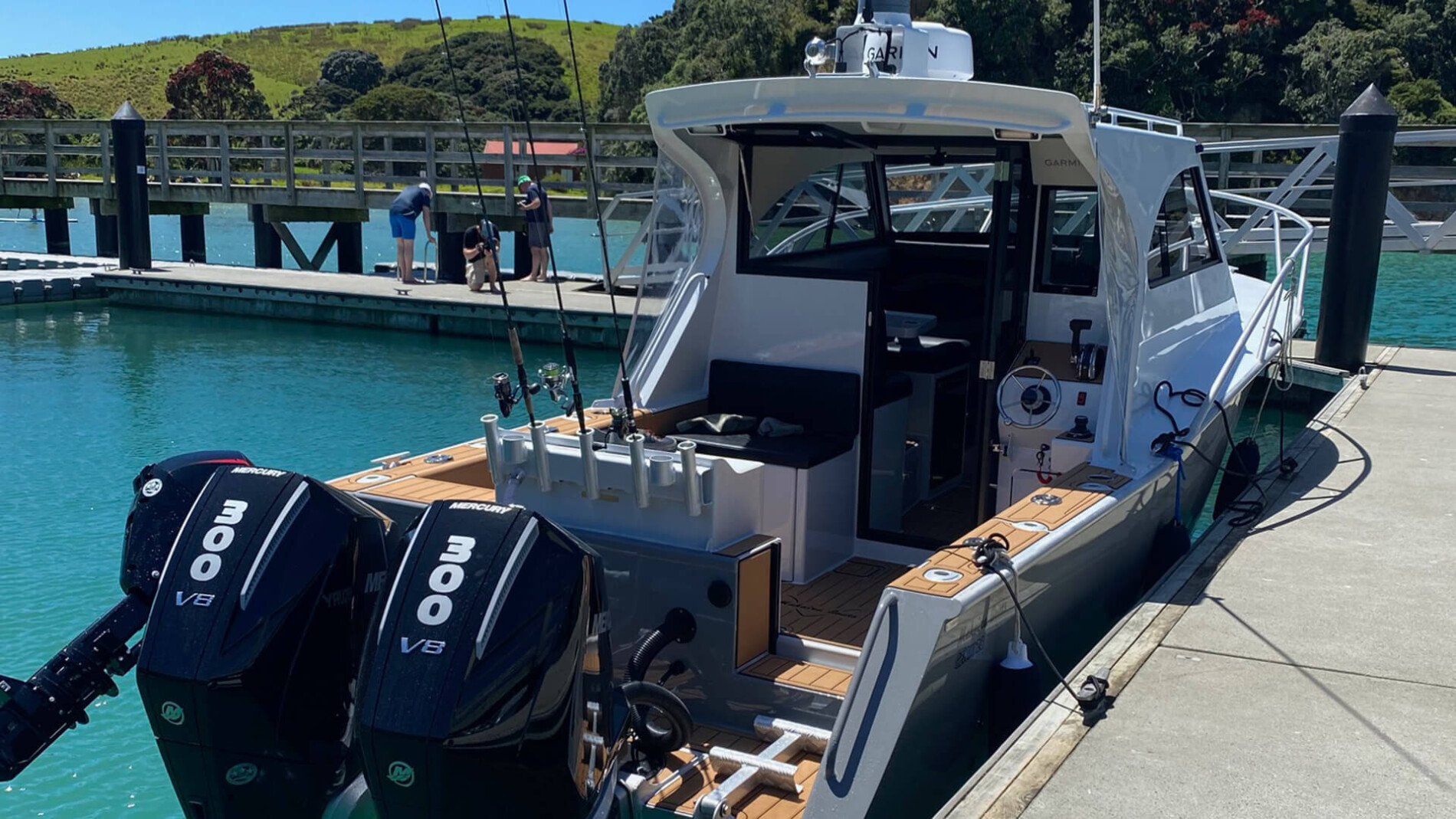
The waters around Campbell River demand attention long before you ever leave the dock. Tides, current, and weather intersect here in ways that don’t allow for shortcuts.
Running M.Y. Just Because through this area is as much about timing as it is about capability. Ripple Rock has earned its reputation, and even in settled conditions, it reminds you why preparation matters.
Conditions
- Wind: Light early, building through the afternoon
- Sea state: Calm at slack, standing waves as current increased
- Visibility: Excellent
- Temperature: Cool morning, warming later
The Run
We planned around the tide, arriving early and waiting. There’s no benefit in pushing current here — patience is the tool that matters most.
Once conditions aligned, the run was controlled and predictable. The vessel tracked cleanly through changing water, with no sense of urgency required. Systems stayed quiet, visibility remained clear, and helm response was precise when adjustments were needed.
Fishing the Area
Fishing around Ripple Rock and toward Browns Bay is less about constant action and more about reading water. Currents stack bait, and timing determines whether you’re working productive ground or just passing through it.
We worked edges rather than centre lines, watching tide movement and adjusting speed accordingly. The area around Browns Bay offered a welcome contrast — calmer water, more time to observe, and a slower pace.
Systems & Setup
Slow-speed control mattered more than power. Holding position and making minor corrections was effortless, which allowed attention to stay on lines and conditions rather than the helm.
The value here isn’t speed — it’s control.
Observations
This stretch of water reinforces why local knowledge matters. No amount of technology replaces understanding tide tables, timing slack water, and knowing when to wait.
The vessel confirmed its role as a stable, predictable platform — something you trust to do its job quietly while you focus on the water.
Closing
Ripple Rock doesn’t reward impatience. Neither does fishing around Browns Bay. Both ask the same thing: arrive prepared, wait when needed, and move only when conditions allow.
It’s a reminder that the best days on the water often begin by doing less, not more.